As we look to the future, APEGS remains committed to our responsibility to protect the public. We adapt, innovate, and lead, ensuring that regulation of engineering and geoscience in Saskatchewan not only meets the needs of today but anticipates the challenges of tomorrow. Our new five-year strategic plan sets out a path for APEGS to continue as a progressive and trusted regulator.

We also updated our purpose, vision, and values to reflect our regulatory mandate and the evolving needs of our registrants and the public.

Learn More

APEGS is embarking on a period of organizational renewal and transformation. Priorities include modernizing regulatory practices, advancing digital solutions, maintaining public trust, and building organizational resilience for the future. These initiatives require innovative leadership and operational excellence to ensure APEGS continues to deliver on its mandate with integrity, transparency, and accountability. As part of this transformation, we’re excited to welcome our new Chief Operating Officer and Chief Regulatory Officer!

Chief Operating Officer – Christine Hughes, B.A., LL.B

With more than 20 years of experience in senior operational and strategic leadership positions, Christine has led significant organizational change and transformation, including initiatives that replaced or renewed technology, policy, processes, regulations, and organizational structures.

Her work focuses on achieving enhanced resource utilization, process efficiencies, and risk mitigation while ensuring shared understanding and accountability across the organization.

Chief Regulatory Officer – Kathryn Black, P.Eng., LPEI

Kathryn is an experienced regulator with nearly 20 years in safety and regulatory oversight across multiple industries. Before joining APEGS, she held senior leadership roles with other provincial regulators and industry organizations, where she collaborated with groups internal and external to improve regulatory oversight, developing policies and standards that are still being used today.

Recognized for her collaborative approach to improving regulatory systems, Kathryn is now focusing on strengthening the regulatory programs at APEGS.

Please tell us about your personal background.
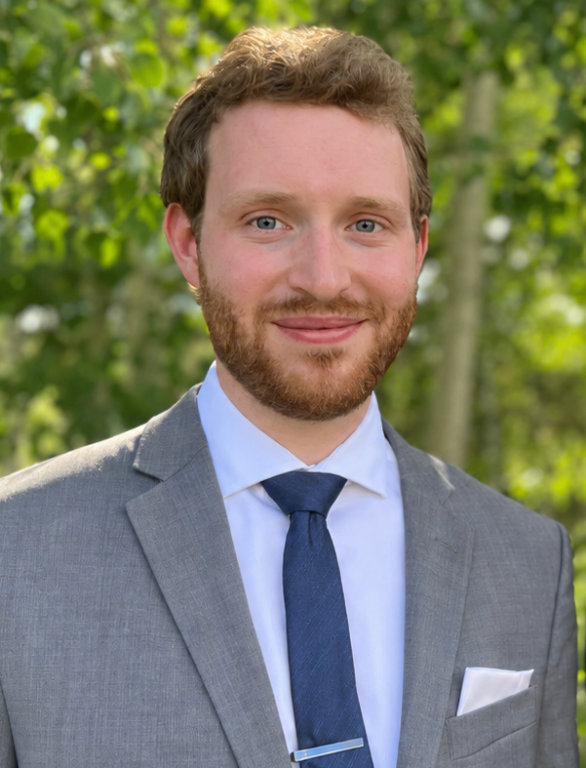
Born and raised in Saskatoon, SK. I spent most of my childhood on the farm, when we weren’t in school. I gained an appreciation for fresh air, nature, and wide-open spaces. We were across the road from PFRA pasture which is like a whole world of natural prairie.

My parents were a farmer and research scientist which upon reflection, is quite far removed from engineering. It wasn’t until much later that I got to know that some of my cousins were engineers.

Why did you choose engineering, and what is your area of specialty?
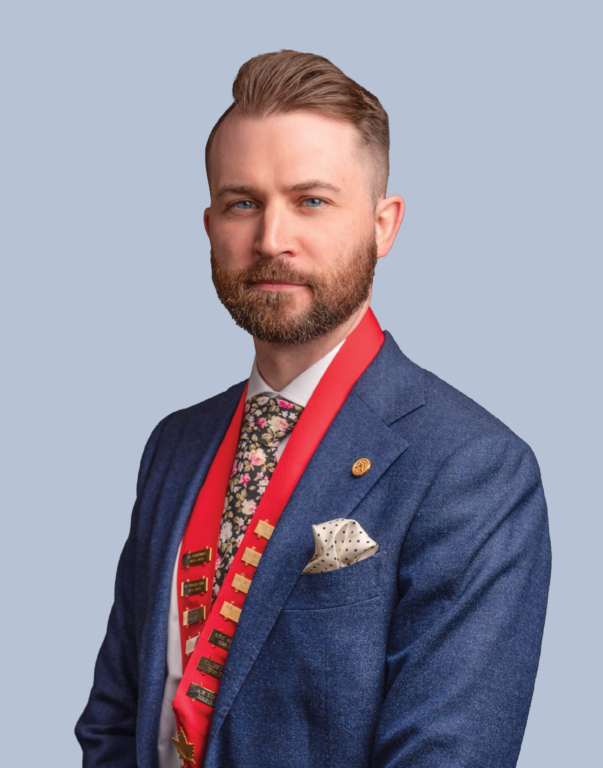
Engineering wasn’t my first choice of post-secondary education. I had applied to SIAST to be enrolled in their Architectural & Building Technologies program. I was put on a one-year waitlist. I enrolled in engineering and completed my first-year courses. After finishing first year engineering, I thought I should see it through.

I chose geological engineering because I thought it required the least amount of math. I was wrong. After celebrating passing second year math, we were rewarded with a third year math/mesh application course, though it was quite interesting. If I ever need to apply a mesh to jet fighter wing, it’s something we covered!

I also chose to complete a certificate in professional communication through the Ron & Jane Graham School of Professional Communication. I ate up all my RCM courses as they were my mental escape from engineering classes. I would recommend that program to everyone. Developing communication skills is paramount for future success.

Where and when did you study, and how would you describe that experience?   

I studied at the University of Saskatchewan. I treated school like a job, on campus from 8-5. I also worked on campus part time throughout my schooling. My experience was great, however I think we were at the beginning of some fundamental changes, or shifts perhaps, in the evolution of historical practices. We had the Red Eye publication, which would not translate well to today’s social practices. I have no idea what the experience is like today, but I’d like to think it’s a more inclusive experience.

What are some of the most interesting, rewarding, and/or challenging experiences you have had?   

After graduation, I had the opportunity to work in Alberta (based out of Red Deer) covering projects from Calgary up to La Crete. Looking back, there were some precarious situations that I navigated well; however, as safety culture has changed over the years, those situations should have never existed. Know your right to refuse unsafe work and trust intuition. If it feels wrong, it probably is.

One project that is dear to me is the Caswell Bus Barns. I had the privilege of working alongside some amazing people at the beginning of that journey in 2014. I love buses and Transit was still operating out of there while we completed drilling. I was so intrigued by all the Detroit Diesel motors in various states of repair. In my current role, I can see the decade of work that it took to get the site to its current state.

What have you appreciated most about your engineering journey?   

There’s always opportunity to learn something new. Graduating university isn’t the end of your learning journey, really, it’s the beginning. Learning is critical to expanding knowledge and maintaining competency. APEGS does a great job of supporting membership in providing opportunities for professional development.

Please share a few words about your time on the APEGS Council.

When I joined council, I didn’t fully know what to expect. I was assigned a mentor who did a great job supporting me and helping me get up to speed to serve effectively. I can say that we have a great breadth of expertise on council, who do great work together.

Council members have excellent support through the Executive and Administration which do great work. We have the opportunity to ask tough questions and make decisions based on the information before us to ensure alignment with APEGS’ strategic plan.

Would you recommend council service to other APEGS members?

100% – I can’t believe I waited this long to apply to serve. The opportunity to learn, network, and serve membership is invaluable. I recommend applying to volunteer with APEGS in any capacity. If you’re not ready for council, apply to volunteer for a committee. It’s a great learning experience and a chance to meet fellow members.

What activities or interests do you enjoy outside of work?

I enjoy biking/walking to work. It’s a short bike ride that takes me across the river. I get to enjoy a bit of Meewasin trail every time I go to the office. I bike in the winter and would recommend studded tires to anyone biking on snow/ice. I’m currently training for the Saskatchewan Marathon. We have recently started another major renovation on our house which allows us the opportunity to learn how to be contractors as we aim to do most of the work ourselves.

Anything else you’d like to add?

I would like to thank APEGS for all the support and opportunities. We are very lucky to have great people working diligently to improve how we regulate the profession and protect public safety.

Please tell us about your personal background.
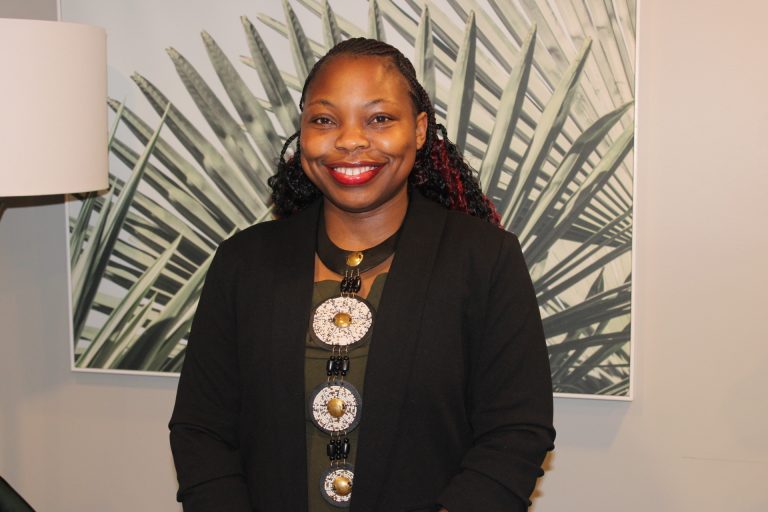
I grew up on a farm near Star City, Saskatchewan, where I stayed busy with academics and athletics. In high school, I took online classes that allowed me to explore a wider variety of subjects that weren’t available locally. Every summer, my family travelled and went backcountry hiking across Canada which helped me develop a deep appreciation for this country’s natural beauty and a foundational curiosity about the Earth and its geology.

Why did you choose geoscience, and what is your area of specialty?

I didn’t set out with a clear plan to specialize in geochemistry — I found my way into the field organically. Knowing I wanted a university education but still figuring out what I wanted to do long term, I started in engineering. In my first year, I needed to choose a science elective, and my dad suggested geology, having taken it himself in university. That initial exposure sparked my interest and ultimately led me to pursue geology. As my studies progressed, I became particularly interested in environmental geochemistry, especially applied research related to mine-affected systems.

Where and when did you study and how would you describe your experience?

After my first year, I transitioned into geology and environmental science courses at the University of Saskatchewan. I spent two summers working in the Soil Science Department, where I developed an appreciation for research and applied environmental work. In my second-to-last year, I was introduced to environmental and mining geochemistry and began working with Dr. Matt Lindsay. I continued my studies at the University of Saskatchewan, pursuing a Master of Science in environmental geochemistry with Dr. Lindsay as my advisor. Overall, my academic experience was formative in shaping my career in the mining sector.

What are some of the most interesting, rewarding, and/or challenging experiences you have had?   

One of the most interesting and rewarding aspects of my work has been contributing to the growing role of geochemistry in mine site reclamation. As the importance of reclamation continues to increase, geochemists are being asked to solve complex problems across a wide range of mine sites, each with its own history and environmental challenges. Much of my work involves critically evaluating historical datasets, identifying knowledge gaps, and designing modern field and laboratory test programs to fill those gaps, often in contexts where information is incomplete or inconsistent. Navigating these uncertainties while still providing practical, defensible recommendations can be challenging, but it is also highly rewarding. A key part of my role has been bridging the gap between geochemistry and other disciplines within mining, helping translate geochemical data into information that can support decision-making across engineering, environmental, and operational teams.

What have you appreciated most about your geoscience journey?   

What I have appreciated most about my geoscience journey is the exposure to a wide variety of sites, projects, and challenges. No two problems are the same, and each site presents unique geological, environmental, and operational considerations. I value the dynamic nature of the geochemistry field, where learning is continuous — often driven by real-world problems — and encourages ongoing adaptability and collaboration across disciplines.

Any mentors or role models you’d like to tell us about? What insight or wisdom did they impart?

Dr. Matt Lindsay has been the most influential mentor throughout my career and a strong supporter of my professional development. He taught me the importance of asking the right questions, approaching complex environmental problems thoughtfully, and maintaining scientific rigor while working in applied settings. He also emphasized the value of curiosity, collaboration, and integrity in geoscience — lessons that continue to shape how I approach my work today.

What activities or interests do you enjoy outside of your professional pursuits?

Outside of work, I enjoy spending time with my husband and our dog, Kepler. I like woodworking and building projects, cooking, and dreaming up what project to tackle next. I also enjoy travelling and we are currently planning a trip to Japan.

Anything else you’d like to add?

I would like to share that it’s okay not to know exactly what you want to do at the start of your career, and it’s okay to change direction along the way.

The APEGS Awards recognize Saskatchewan engineers and geoscientists for their contributions to the professions and the public interest, showcasing exemplary competence and conduct. The awards foster professional excellence among members, inspire the next generation of professionals, and raise awareness of the role of engineers, geoscientists, and APEGS in serving the public interest. After deliberations by the APEGS Awards Committee, five awards are being presented at the 2026 APEGS Awards Banquet.


Donna-Lynn L. Beneteau, P.Eng., is the recipient of the Brian Eckel Distinguished Service Award. Considered APEGS’ most prestigious award, it is given only to those who truly exemplify the best standards of engineering and geoscience in Saskatchewan.

A. Wayne Clifton, P.Eng., FEC, is the recipient of the Outstanding Achievement Award. This award honours members who show technical excellence and achievement in engineering and/or geoscience in Saskatchewan.

Shawna L. Argue, P.Eng., FEC, FGC (Hon.), is the recipient of the McCannel Award honouring service to APEGS and to the professions as a whole.

AECOM Canada Ltd., Associated Engineering, and ATAP Infrastructure Management will be honoured with the Exceptional Engineering/Geoscience Project Award for their work on the Northern Village of Denare Beach Wildfire Disaster Recovery.

Navjeet Kaur, P.Eng., is the recipient of the Promising Member Award. This award recognizes exceptional achievements by a professional member in the early stages of his/her career in Saskatchewan.


The award recipients were selected from individuals and projects nominated by APEGS members. Congratulations to all the award recipients and thank you for your outstanding contributions to the professions and the public! Also, a big thank you to all the nominators! The awards will be presented at the banquet on March 5 as part of Engineering and Geoscience Week. Visit the 2026 APEGS Awards Banquet webpage for more information.

Please tell us about your personal background.
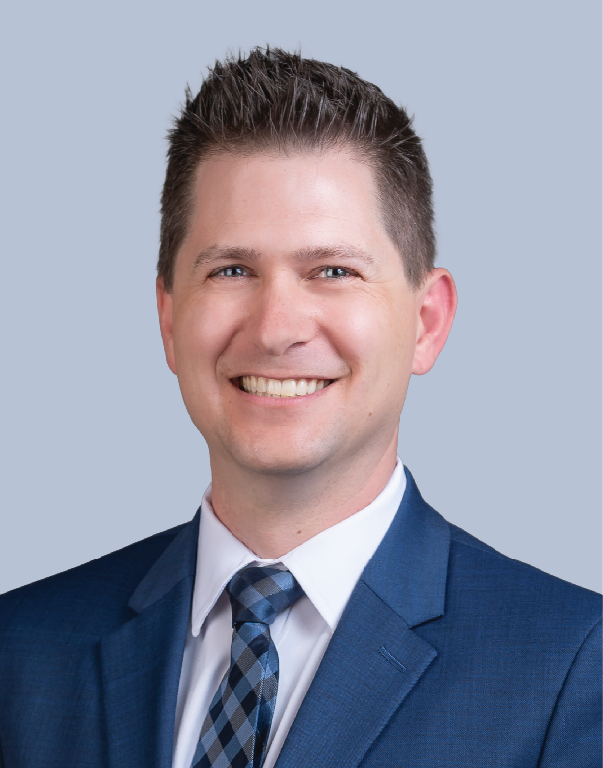
I was born and raised in China. In 1998, I moved to Saskatoon to pursue a Ph.D. in Mechanical Engineering at the University of Saskatchewan. I’ve been fortunate to have the unwavering support of my family—my wife and daughter—throughout this journey, especially when the path led us to Saskatoon and beyond.

Why did you choose engineering, and what is your area of specialty?

Before university, I didn’t give much thought to why I chose engineering. Looking back, I realize it was the right decision. Engineering aligns with my character and passion for creating new things and solving complex problems.

My specialty lies in mechanical and biomedical engineering, with a focus on bioprinting—an innovative technology that builds structures layer by layer by using biomaterials and living cells. These engineered scaffolds can be implanted in patients to repair damaged tissues or organs, such as those affected by heart attacks or osteoarthritis.

Where and when did you study and how would you describe your experience?

I earned my Ph.D. in Mechanical Engineering from the University of Saskatchewan in 2002 and completed a postdoctoral fellowship at Queen’s University. In 2003, I joined the University of Saskatchewan as a faculty member and became a full Professor in 2010. Reflecting on this journey, the interdisciplinary challenges and collaborations in biomedical engineering have profoundly shaped who I am today.

What are some of the most interesting, rewarding, and/or challenging experiences you have had?   

Over the past two decades, my graduate students, research collaborators, and I have worked on projects aimed at repairing diverse tissues and organs, including peripheral nerves, spinal cord, articular cartilage, cardiac tissue, and tooth tissue, as well as on creating lung models out of body for studying disease and testing drugs and vaccine prior to their use in humans. We’ve made meaningful progress in the lab and in animal studies, moving closer to clinical applications.

What have you appreciated most about your engineering journey?   

I deeply appreciate my graduate students and research collaborators. My students are the driving force behind these projects, and research collaborators bring expertise from multiple disciplines. Without their dedication and involvement, these projects would not have been possible or successful.

Any mentors or role models you’d like to tell us about? What insight or wisdom did they impart?

I’ve had the privilege of being mentored by many individuals who have shaped both my career and character, including my Ph.D. supervisors, research collaborators, and friends. Here I would like to give special thanks to my friends Dr. Peter Block (a retired surgeon) and his wife, Arlene Block, whose love, guidance and support have been invaluable to me and my family; we are truly fortunate to have them in our lives.

You were recently honoured with the University of Saskatchewan’s Distinguished Research Award. What does this recognition represent for you?

Receiving the University of Saskatchewan’s Distinguished Research Award is a tremendous honor. It represents recognition of the research that my graduate students, research collaborators, and I have pursued for more than 20 years.

What activities or interests do you enjoy outside of your professional pursuits?

Outside of work, I enjoy regular exercise—playing badminton, biking with my dog Murphy, and weightlifting. In the summer, I love fishing at Diefenbaker Lake and exploring Saskatchewan’s natural beauty. These activities help me recharge and appreciate life.

Anything else you’d like to add?

I’m passionate about mentoring the next generation of engineers and researchers. If I could share one message, it would be this: Engineering is not just about technology—it’s about improving lives.

This position has been filled. 


Due to a recent vacancy, we are seeking a qualified candidate to join our team as our Governance Coordinator! The Governance Coordinator is responsible for high quality, professional delivery and documentation of processes that support the APEGS Council and its governance committees (namely but not limited to the Nominating, Governance, Finance and Risk Committees) in fulfilling their roles and responsibilities. Reporting to the Manager of Governance, this position takes a lead role in organizing and facilitating board meeting preparations by recommending the annual meeting calendar, preparing agendas, minutes, and identifying and tracking follow-up actions.

The role requires exceptional organizational and multi-tasking and the ability to interact and communicate with internal and external groups and individuals with the utmost professionalism. Beyond quality delivery, the coordinator is responsible to identify, recommend, and implement process improvements that are related to, or impact efficiency and effectiveness for areas of responsibility. This may include processes such as coordination with senior leadership, information management, and coordinating workflows to achieve deadlines.

Apply Now  |  Click here for the full job description.

Please tell us about your personal background.
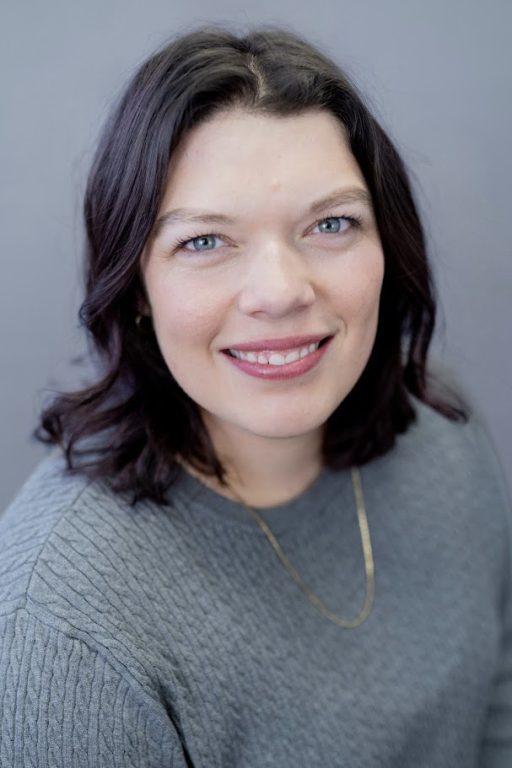
I grew up in Esterhazy, a town in southeastern Saskatchewan.

Why did you choose engineering, and what is your area of specialty?

I chose engineering because I was interested in science and how things worked. I chose the electrical discipline largely because of my Dad, whose career as a Powerline Technician with SaskPower inspired my early interest in utility and industrial electrical systems.

Where and when did you study, and how would you describe that experience?   

I studied Electrical Engineering Technology at The Saskatchewan Technical Institute, now Saskatchewan Polytechnic. I liked the combination of theory, and the hands-on applications it offered. It was technical immersion, challenging, and it strengthened my technical curiosity.

What are some of the most interesting, rewarding, and/or challenging experiences you have had?   

I’ve found both commissioning new systems and ensuring reliability to be especially rewarding. The excitement of launching a new project, combined with the satisfaction of keeping existing systems running smoothly, continues to motivate and challenge me.

What have you appreciated most about your engineering journey?   

I’ve really appreciated the continuous learning that engineering has offered throughout my career. From the early days without computers to today’s advancements in AI, I’ve had the opportunity to explore electrical theory, testing, system reliability, and the value of teamwork in achieving goals.

I’m also grateful for the employment opportunities engineering has provided. I’ve been fortunate to spend most of my career with two excellent companies – SaskPower and Mosaic – both of which have been rewarding in their own unique ways.

Any mentors or role models you’d like to tell us about? What insight or wisdom did they impart?

I’ve had mentorship from many people, in many roles in the workplace, and I think the best insight from their mentorship and my own experience is to stay curious and positive.

Anything else you’d like to add?

Outside of work I enjoy woodworking, cycling, music and golf.

APEGS is embarking on a period of organizational renewal and transformation. Priorities include modernizing regulatory practices, advancing digital solutions, maintaining public trust, and building organizational resilience for the future. These initiatives require innovative leadership and operational excellence to ensure APEGS continues to deliver on its mandate with integrity, transparency, and accountability. As part of this transformation, we’re excited to announce the creation of two new roles – Chief Operating Officer and Chief Regulatory Officer.


Chief Operating Officer

The Chief Operating Officer contributes to the development and execution of both short- and long-term goals endorsed by APEGS Council. A key focus is strengthening corporate operations while leading a multi-year business and digital transformation initiative.

Click here to learn more!


Chief Regulatory Officer

The Chief Regulatory Officer also supports the development and execution of short- and long-term goals endorsed by Council. A key focus is to modernize and strengthen regulatory effectiveness, including leadership of a multi-year regulatory transformation with a strong digital component.

Click here to learn more!

To Apply

Please email your cover letter and resume (in PDF or Word document format, preferably as a single document) to John Dugdale at apply@leadersinternational.com, indicating the job title in the subject line.

Please tell us about your personal background.
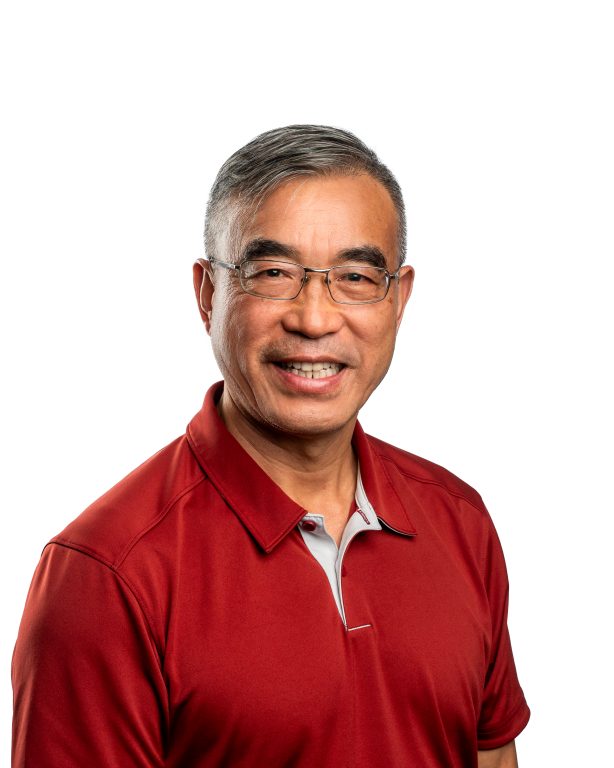
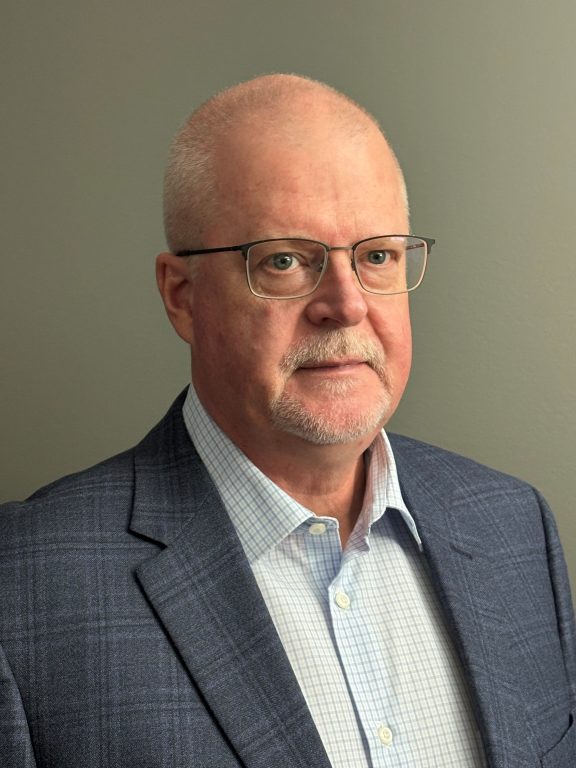
I am originally from Hepburn, SK where one side of the family farms and the other owned the general store, but I currently live in the Regina area with my wife of 28 years and 3 kids. That said, I’ve moved around a lot and spent significant time in various places across Ontario and the western provinces, including Saskatoon, Winnipeg, Prince Albert, Gillam, Waterloo, Weyburn, Strathmore, Calgary, and the Crowsnest Pass.

Why did you choose engineering, and what is your area of specialty?

Originally, I planned to follow the footsteps of my grandfather and become a Pastor, but part way through that bible school degree I realized I’d rather fix concrete than people. I finished that degree but started at the U of S College of Engineering immediately thereafter. I chose civil engineering because it seems the most broad and varied in scope. I’ve always preferred to be more of a generalist than a specialist. Civil engineering also shared similarities to my dad’s career. He was an architectural technologist with a drafting table in the basement family room. I was also fortunate to be able to take hand-drafting classes in high school in Prince Albert. I love the smell of ammonia prints early in the morning.

My first post-graduate job was with Manitoba Hydro. Engineers in Training hired at that time rotated departments every six months. I soon fell into what became a permanent role doing maintenance engineering and small capital projects for the lower Nelson River hydroelectric and HVDC infrastructure. I loved the pace, action, and tangible results of construction projects as well as the autonomy of working in northern and remote areas.

For most of my career I have been an owner’s-side project manager and manager/director of project engineering and construction teams. Currently I am using that expertise to as Owner’s Engineer managing various capital projects related to dams, spillways, and irrigation all around the province from Val Marie to Moosomin to Cowan Lake and everything in between.

Where and when did you study, and how would you describe that experience?   

I really enjoyed my internships and summer jobs when I was at the U of S. It’s always rewarding to be doing practical hands-on things in the field and travelling around rural Canada. I was a student operator in the Weyburn oilfield as CO2 flood was being rolled out, in shallow gas around Strathmore, and SAGD out of the Calgary corporate office. For my internship I was a pit surveyor at the Coal Mountain mine south of Sparwood, BC. In addition to the Civil Engineering degree from the U of S I also have a M.Sc. in International Construction Management from the University of Bath in England. I did that mostly for the sense of accomplishment. I wrote my dissertation locked in an unfinished basement while toddlers sort of slept upstairs.

What are some of the most interesting, rewarding, and/or challenging experiences you have had?   

Finding out that, despite drilling, you missed finding some discontinuous permafrost under your 4-plex apartment building foundation is always a bit exciting! I think the most rewarding has been leading high performing teams who can also have a lot of fun at work. This was true at Manitoba Hydro and with Mosaic Potash where our young and green Belle Plaine engineering team churned out a lot of high-quality capital projects while also setting some year-over-year contractor safety records. I highly recommend northern and remote work for any Engineer-in-Training that wants to gain experience quickly – both technical and general life experience. I once had to devise a way to expedite getting a carton of cigarettes to a fly-in hydroelectric station otherwise the tilesetter refused to start work.

What have you appreciated most about your engineering journey?   

I’ve had some great engineering mentors and supervisors (Mike Crawford, Glen Schick, Gerry Couture) and have also worked with some fabulous technologists, technicians, and tradespeople (Heather Globush, Randy Romas, Barry Dickinson, George Wicek, Ken Hiebert, Terry Bender) who have kept me grounded, humble, and exposed to very practical, actionable ways to do design, project management, and construction. I firmly believe that as engineers we ignore the input of technologists and trades at our peril! Also keep the admin reps on your side as they are often the glue that keeps it all together and they also have all the good intel.

Please share a few words about your time on the APEGS Council.

I volunteered for council as a way to re-engage with volunteering after the busy years of young kids were over and as an opportunity to give back to the profession. My brain is wired as a short-term, task-oriented driver / do-er. Shifting to a long-term governance perspective is a useful skillset I am developing while on council.

Would you recommend council service to other APEGS members?

Yes. Having now had a peek behind the curtain I can say that the council and executive try really hard to do everything right and always consider the needs of the membership while also being the engineering and geoscience regulator that the provincial government requires us to be.

What activities or interests do you enjoy outside of work?

I like international adventure travel, but it has been a few years. I’ve hiked to Everest Base Camp and around the Annapurnas in Nepal. Always odd to be flying back to Kathmandu at “our cruising altitude of 10,000 feet” when just days prior you were standing without supplementary oxygen at 18,500 feet.

Anything else you’d like to add?

A reminder for our membership to visit the APEGS website and fill in the e-form to nominate folks for awards. We engineers often do a poor job of recognizing our peers.

Reporting to the Manager of Investigation and Enforcement, the Investigator is responsible for leading investigations into complaints against APEGS registrants and permit holders involving alleged professional misconduct, incompetence, or unlicensed practice under The Engineering and Geoscience Professions Act, 1997 (the Act) and its associated regulations.

The Investigator provides expert advice and support to the APEGS Investigation Committee, and works closely with members of the public, legal counsel, and internal regulatory staff throughout the complaint process.

Qualifications:

  • Minimum of 3-5 years of investigative experience (law firm, legal department, law enforcement, regulatory body, or equivalent).
  • Experience in relevant disciplines such as law, criminology, or business administration is an asset.
  • Experience conducting complex investigations and making evidence-based recommendations with impartiality, discretion, and procedural fairness. Experience supporting Boards or Committees in regulatory processes.

Click here for the full job description.

Apply Now

Please tell us about your personal background.

I was born and raised in Ontario, Canada. I was the first in my generation to be born in Canada, as my family immigrated from Pakistan. From Ontario, I moved to Saskatchewan in 2015. I studied at the University of Regina in Environmental Systems Engineering. In 2022, I began my engineering career in consulting.

Why did you choose engineering, and what is your area of specialty?

I chose engineering because I have a passion for implementing clean drinking water infrastructure in underserved communities. I believe clean water is a basic human right. Working in an area where I can learn about technical aspects to remediate this ongoing problem is highly beneficial to my research. I am grateful that my job allows me to learn about water and wastewater treatment, so I can carry that knowledge into what I am passionate about.

What are some of the most interesting, rewarding, and/or challenging experiences you have had?   

The most rewarding projects are not only specifically engineering or work related. Outside of work, I’ve focused on studying the gaps in infrastructure for clean drinking water in Canada, most of which are in remote and Indigenous communities. I also studied the policy and jurisdiction barriers that limit our ability to remediate issues as quickly as needed, through a project with Waterlution. More recently, I partnered with UN Canada- Regina chapter, where I visited a high school to teach youth the importance of water sanitation and treatment processes. While these projects go beyond the workplace, without my engineering knowledge, they would not be possible.

What have you appreciated most about your engineering journey?   

I have appreciated learning from my peers. There is so much knowledge around a room, and always being a student is something I encourage. There is never a time where I go to work and feel like I haven’t learned something new that week. Innovation and collaboration remain key aspects of engineering that continue to keep me excited and interested in this field.

Any mentors or role models you’d like to tell us about? What insight or wisdom did they impart?

If I were to mention a mentor who always guided me in finding purpose in my career, it would have to be my friend Simer. She always reminded me to work for a purpose. I have always held this advice close. As engineers, we serve a purpose to our community to ensure safety, better infrastructure and accessibility to mechanisms that aid human life. I come to work knowing my involvement on a project will contribute to a greater good.

What activities or interests do you enjoy outside of your professional pursuits?

Outside of work, I enjoy dancing. I have always maintained this hobby as it helps me express myself and connect to music and my culture. Ensuring I nurture my creative side always helps fuel my innovative side with engineering.

Anything else you’d like to add?

I would like to remind everyone to find something that brings them joy. For me, working towards my passion does this. As well, nurturing my creative side with dance. Never compromise joy. To be a good engineer, you cannot serve people without serving yourself first.

Business transformation is underway at APEGS!

APEGS is evolving to better serve its members and strengthen its regulatory processes. As part of this transformation, we’re excited to announce the creation of two new roles – Manager of Communications and Manager of Business Support – alongside a current vacancy for Manager of Governance. These new positions will support the business and digital transformation of APEGS regulatory processes as well as the modernization of sound business practices.

APEGS’s goal is to continue quality regulation of the professions, to offer guidance and support to registrants, and to strengthen and streamline internal processes.

Manager of Communications – Position Filled

Manager of Governance – Position Filled

Manager of Business Support – Position Filled

Please tell us about your personal background.

I am originally from Regina, Saskatchewan and currently live just east of White City. I graduated from Luther College High School in 1986, took some university classes and found myself working as a security guard in the Cornwall Center and the downtown area. This experience taught me about dealing with people and how to act in certain situations. I enrolled in the Instrumentation Engineering Technology program in 1995 and graduated in 1998. I began working in the electrical consulting field until 2001 when I worked as a Process Operator for Praxair and CRC. I started my own business in electrical-instrumentation design and drafting as I wanted to maintain my AutoCAD skills. Then I was fortunate enough to take my business full time in 2008 due to the potash boom in Saskatchewan at that time. I am still in operation today providing quality electrical-instrumentation design and drafting services for various clients in many different industrial sectors within Western Canada.

Why did you choose engineering, and what is your area of specialty?

My uncle was an electrician, my cousin has his own electrical service company, and I’ve always found electrical concepts interesting. I was taking a 5th class Steam Engineering course out of my own interest and there was a section on instrumentation and boiler controls. It was very interesting, I did some research and found out they offered an instrumentation diploma course at Moose Jaw, so I applied and was eventually accepted in 1995.

Where and when did you study, and how would you describe that experience?   

Instrumentation Engineering Technology was the most academically challenging thing I have done in my life, in that new concepts came to us every day, you had to be disciplined and understand time management to make it through. It was no joke. The program at the time was being recognized as an Accredited Technology program, so additional classes were added which added to the challenge.

What are some of the most interesting, rewarding, and/or challenging experiences you have had?   

The most challenging was with my first position right after graduation as a junior technologist with a local electrical consulting firm, which was acquired by KGS in later years. I was tasked with electrical design rather than instrumentation design, so the learning curve was steep and frustrating at times, but it’s through experiences like that where we grow in our profession.

The most rewarding experience is when we solve design problems for clients that reduce costs and improve efficiency.

The most interesting experience was working on green field projects and being able to work on the entire design from conception to construction.

What have you appreciated most about your engineering journey?   

Everyday seems to bring something new, either a new challenge or a new project and it’s the people that I have worked with that have made all of this manageable. Working as a team, sharing ideas and coming up with a solution, and then execution.

Any mentors or role models you’d like to tell us about? What insight or wisdom did they impart?

I have had many mentors throughout my career, but to mention a couple: Randy Burns (Retired) taught me that design details matter, and when you create a design it must be understandable by everyone involved. Mike Wright (Retired) taught me about PLC control systems within the potash industry in Saskatchewan. Whenever I had a question, he would sit me down and not only answer it but go through the theory of it. I thank and appreciate everyone who I have worked with throughout my career as I have taken a little something from everyone to create how I do things today.

What activities or interests do you enjoy outside of your professional pursuits?

I enjoy the outdoors, working out at a local gym, and hiking. I have a passion for football and was fortunate enough to be a defensive line coach for my son’s minor football teams for 8 years. Generally, just spending time with family and friends.

Anything else you’d like to add?

Engineering to me is like putting a 100-piece puzzle together, in that you have to organize the pieces logically and most importantly ensure you have all 100 pieces, and if you don’t you have to acquire them asap and then piece them all together correctly as quickly as possible. It’s simplistic I know, but it’s my general thought process.

Engineers and geoscientists are known for their focus on precision, problem-solving, and protecting the public interest. APEGS applies the same careful approach to how we communicate and where we share information with members and the public.

As the social media landscape continues to evolve, it’s important to regularly review each channel to ensure it aligns with our mandate and communications goals. Beginning August 1, 2025, APEGS will significantly reduce its regular posting activity on X (formerly Twitter).

Moving forward, the platform will be reserved for urgent messaging and real-time updates in situations where timely public communication is essential. Regular updates and day-to-day engagement will continue on our other social media channels.

To stay connected with APEGS news and updates, we encourage members and stakeholders to follow us on LinkedIn or Facebook.

Please tell us about your personal background.

I grew up in North Battleford as the second daughter of teachers. While I prioritized academics and athletics, I also very much enjoyed living close to a river, many lakes, and a prairie ski hill. I spent time after high school backpacking around Central America and living on the west coast of Vancouver Island, where I started to realize I was becoming a “nature nerd”, hiking along coasts and near waterfalls, examining tidepools, beachcombing, ocean fishing, backcountry camping, and exploring in rainforests. I had an aptitude for science but had not yet had any formal “outdoor education”.

Why did you choose geoscience, and what is your area of specialty?

I was living on Vancouver Island and looking to pursue a career in STEM, and the Earth and Ocean Science (EOS) program at the University of Victoria (UVic) jumped out at me from a brochure. However, I dropped the “ocean science” as soon as I learned how seasick I get (true flatlander). I transferred to USask to be closer to home and eventually ended up pursuing a master’s degree in geology. I’ve been a “generalist” in geoscience but have gravitated towards geochemistry and the laboratory environment.

Where and when did you study, and how would you describe that experience?   

I studied EOS at UVic from 2006 – 2008 and completed my BSc Geology at USask in 2010. I returned to USask to complete an MSc under Dr. Robin Renaut in 2012, graduating in 2016.

My undergraduate experience was challenging and eye-opening, realizing how many directions I could take with geoscience. I was a keen student, motivated by passionate professors as well as a few awards and bursaries. My master’s program was incredible, studying a strange rock formation in a saline lake in the East African Rift in southern Kenya. I spent two months total in Africa, explored the Kenyan Rift Valley from north to south, slept under the stars, saw giraffes, zebras, hyenas and hippos near my field sites, worked not-far from a hominin site (Olorgesailie), and met interesting scientists with amazing stories of travel, adventure, and research.

What are some of the most interesting, rewarding, and/or challenging experiences you have had?   

So many! A field season with the geological survey (including an attempted world record for mosquito bites in a single summer), learning to orienteer and map geology on the Canadian Shield. A winter drilling project in northern SK, commuting across frozen lakes and logging thousands of metres of core. My masters field work included many +40˚C days collecting observations in East Africa. Analytical laboratory work is busy, technical, and a masterclass in multitasking. Each job/project came with unique challenges and nary a dull moment.

What have you appreciated most about your geoscience journey?   

Truly, it has been the variety. I have pursued work in gold exploration, light oil exploration, research lab management, occupational health and safety, geoanalytical lab quality assurance, and finally, lab instruction at the university. I’ve ended up where I started in geoscience (in the classroom) and it has been an absolute pleasure to work with students keen on learning about the earth.

Any mentors or role models you’d like to tell us about? What insight or wisdom did they impart?

I’ve had the privilege of working with brilliant scientists including Dr. Michelle Hanson, Jason Brasseur, Dr. Robin Renaut, Dr. Helen Baulch, and Rob Millar. They each had a calm demeanor, and I admired their ability to tackle challenges and work under pressure with great composure. They are all intelligent, considerate, and curious leaders in their fields, and I feel fortunate to have had the chance to get to know them through geoscience.

What activities or interests do you enjoy outside of your professional pursuits?

I play competitive ultimate frisbee and I’m a novice pickleballer. I’m also a knitter, a cyclist, a gardener, and a pet parent.

Anything else you’d like to add?

Since I work with undergraduate students (the next generation(s) of geoscientists), I hope my journey can be inspiring in the sense of giving different things a try. Explore the world and stay curious!

Please tell us about your personal background. 

I grew up in Abuja, Nigeria, a city alive with colour, culture, and the hum of daily hustle. My childhood was shaped by the quiet strength of my lovely parents, two incredibly hardworking people who believed deeply in the power of education and their faith. They made sure my siblings and I had more than just the basics; they gave us access to opportunity and to dreams that soared beyond what we could see. After high school, I took a leap of faith and moved across the world to Canada to pursue my Bachelor’s degree. It was a bold step, but I carried my roots with me, anchored by my upbringing, grounded in faith, and inspired by the values that shaped me.

Why did you choose engineering, and what is your area of specialty?

I think engineering found me. It was honestly medicine or engineering, so I chose the latter. I studied environmental systems engineering and I currently work as a design project manager for the Saskatchewan Ministry of Highways.

Where and when did you study, and how would you describe that experience?   

I began my studies with computer engineering at Algonquin College in Ottawa, where I adjusted to a new country, new systems, and a very cold climate. It was a big transition for me but, thankfully, I have family here in Canada.

Later, I transferred to the University of Regina to study environmental systems engineering. It was a challenging but rewarding decision that deepened my interest in sustainability and problem-solving. Along the way, the experiences I had both in and out of the classroom shaped not only my academic path but also my character and sense of community.

What are some of the most interesting, rewarding, and/or challenging experiences you have had?   

One of the most rewarding experiences I’ve had was leading the STEM Girls Drive in collaboration with the Regina Public School Board. Organizing a STEM awareness initiative for girls in a local community school was both heartwarming and eye-opening. Seeing young girls light up at the idea of becoming engineers, scientists, or tech leaders reminded me exactly why this work matters. Girls deserve to see themselves in spaces where they’ve traditionally been underrepresented. Initiatives like this help break down stereotypes early and replace them with curiosity, confidence, and a sense of belonging. I’m already planning to continue this work in the upcoming school year, with even more reach and impact. Stay tuned, there’s more to come!

Professionally, working at the Ministry of Highways has been equally rewarding and challenging. I’ve had the opportunity to contribute to important projects while learning how the ministry operates from the inside. It’s helped me sharpen my communication, project management, and leadership skills, especially in high-stakes or fast-paced environments.

One of the most interesting challenges I’ve faced was transitioning to life and academics in Canada after growing up in Nigeria. Adapting to a new culture, education system, and climate was tough, but it shaped my independence and resilience. Every challenge has added a new layer to who I am, professionally, personally, and spiritually.

What have you appreciated most about your engineering journey?   

What I’ve appreciated most about my engineering journey is how much it has taught me beyond textbooks and technical skills. It’s pushed me to think critically, work collaboratively, and stay curious even when things get tough. I’ve enjoyed the sense of purpose that comes with solving real-world problems, especially those that impact people and the environment.

I’ve also loved the moments of growth that come from stepping out of my comfort zone, like taking up new projects that I’m unfamiliar with. Most of all, I’ve valued the community I’ve found along the way: mentors, peers, and classmates who’ve supported and inspired me to keep going.

Any mentors or role models you’d like to tell us about? What insight or wisdom did they impart?

Funnily enough, my direct mentors aren’t engineers or connected to the world of science. I’ve been fortunate to have both direct and indirect mentors guiding me through different stages of my journey. At the ministry, Mrs. Shannon Lindholm has been a consistent mentor for over a year. She’s a steady example of leadership, grace, and purpose in action. Similarly, Mrs. Elizabeth Adebogun, whose wisdom and support have been incredibly grounding, and Apostle Emmanuel Adewusi has been more than a spiritual guide, he’s been a source of insight and clarity, often providing solutions when I needed them most. His guidance has left a lasting impact, and I am forever grateful.

Beyond formal mentorship, I’ve found guidance in everyday relationships. My parents, family, friends, and managers have all played a role in shaping how I think, lead, and grow. Whether through conversations, observations, or shared experiences, I’m constantly learning from the people around me. My role model would be Ms. Amina J. Mohammed,  Deputy Secretary-General of the United Nations, a woman whose story continues to inspire young girls with dreams that feel bigger than themselves. Her journey shows that passion, when paired with purpose and perseverance, can truly shape the world.

What activities or interests do you enjoy outside of your professional pursuits?

I enjoy cooking, organizing/cleaning spaces, and spending time with family.  There’s something deeply satisfying about creating order and comfort, whether it’s in the kitchen or around the home. I also enjoy volunteering, and over the years, I’ve had the opportunity to contribute to a number of organizations across the city, including volunteering with the local United Nations branch. It’s a meaningful way for me to stay connected to my community and give back in ways that align with my values.

The Engineering and Geoscience Professions Regulatory Bylaws requires that the annual meeting of the Association of Professional Engineers and Geoscientists of Saskatchewan be held in the first six months of each year, so it is customarily held on the first Saturday in May. This year’s events were a professional development conference on Friday with the theme Designing for the Future, followed by the president’s reception and past presidents dinner that evening and the annual meeting on Saturday morning. Nearly 700 APEGS registrants participated in person or virtually at Friday’s keynote and professional development presentations. 

The 95th annual meeting of the association was called to order in person and virtually at 9 a.m. Saturday, May 3, 2025, with 220 voting members in attendance — 117 in person and 103 virtually. The business of the meeting included: 

  • Minutes from the May 4, 2024 annual meeting
  • Business arising from the minutes 
  • Message from the president 
  • Reports from Executive Director and Registrar, Public Appointees 
  • One bylaw amendment 
  • Audited financial statements 
  • New business  
  • 2025 election results 
  • Council induction 

The 2024 annual report is available at https://www.apegs.ca/about/publications/annual-reports . 

APEGS engaged Insightrix Research Inc., an independent third-party research firm, to conduct the 2025 council elections. Insightrix issued ballots on March 10, 2025, and polling day was on April 7, 2025.  The Executive Director and Registrar reported that the total number of votes cast was 1,806 (all electronic, none by mail), being 11.25% of the 16,055 total ballots issued.   

To view all council members, go to https://www.apegs.ca/about/apegs-governance/current-council-members. 

Bylaw Amendments 

At the annual meeting on May 3, 2025, the members in attendance passed motions to amend the following from The Engineering and Geoscience Professions Regulatory Bylaws: 

  • Administrative Bylaw 6(1) – Banking and financial 

The amendment increases the authorization values of financial commitments and payments for employees and officers of the association. This change is intended to be more reflective of modern costs and make more effective use of the officers’ time, given that they are volunteers. 

Section 6(1) of the Administrative Bylaws outlines authorization of employees and officers to approve financial commitments and authorize payments. Each year at the June council meeting, a new motion is put forward to outline the names of the individuals who are in the role for the year, along with the values that align with 6(1) of the Administrative Bylaws. 

The bylaw amendment increases the first approval authorization from $6,000 to $30,000, the second authorization from $15,000 to $100,000, and the last authorization from greater than $15,000 to greater than $100,000. As the approval values will be increased, it was also proposed that the second approval will require dual authorization. This change means that up to $100,000 can be approved in-house and provides additional oversight. 

Please tell us about your personal background.   

I grew up on a family farm by Langham, Saskatchewan.  Growing up on a farm, there was no distinction between work and lifeWork was a part of life, and it was enjoyable. and I wouldn’t change it.  I always got satisfaction from working in a farming environment and appreciated all the positive aspects of community effort and support my parents instilled in me as I grew up.


Why did you choose engineering, and what is your area of specialty?    

I was conflicted with one other program when deciding on a career after graduation from high school, but I ultimately decided on engineering for the challenge and the positive impacts I could make on society.  I’m currently practicing as a civil engineer. 


Where and when did you study, and how would you describe that journey?    

 I studied at the University of Saskatchewan and graduated from Agricultural Bioresource Engineering in 2010.  I enjoyed my time at the U of S and describe my journey as challenging and fulfilling.  I got to meet a number of great individuals and make connections that I still value and engage with. The interactions with alumni and professors also helped shape my journey, and I seek their advice as I move forward in my career.


What are some of the most interesting, rewarding, and/or challenging experiences/jobs/projects you have had ?    

I’ve been fortunate to be a part of many different projects in my career. I’ve designed grading plans and building services that my friends and family interact with and use frequently.  I’ve had the pleasure of working with a number of First Nations communities to help with providing safe drinking water and improved accessibility.  I’ve also been able to provide my services to places that many associate with leisure or holidays, such as Candle Lake and Prince Albert National Park. It’s been a pleasure to work in places that many see as their place to unwind and use for vacation. All of them have been rewarding and each have their own unique challenges.
    

What have you appreciated about your career opportunities and experiences?   

One of the key aspects of my career that I appreciate is the continuous learning environment it offers. Engineering is a rapidly evolving field, which requires staying updated with the latest technologies and practices. Engaging in continuing professional development has enhanced my skills. I’ve had the opportunity to work alongside talented professionals, which has enhanced my understanding and promoted creativity to provide solutions that impact society positively.


 Any mentors or role models you’d like to tell us about? What insight or wisdom did they impart?    

 I’m lucky to have many mentors and models throughout my career and life.  At the beginning of my engineering journey, many professors helped provide a solid foundation for due diligence and providing thorough work.  Sometimes those lessons were challenging and bitter, but they have led me to become a better professional. 

Currently, I have mentors in industry from my employer, Associated Engineering, and even other consulting companies. They help to provide guidance on navigating our ever-changing times.  

From a self-regulation and governance perspective, I’ve leaned on current and past councilors from APEGS. Each has their own tidbits of knowledge that I take seriously. 

My parents likely don’t understand this, but they were extremely important role models to me.  They were and still are consistent in showing up every day and being accountable to themselves.  I’m not sure if they’ve ever taken a step back to think about this but, reflecting on it, I should likely let them know.   


What activities or interests do you enjoy outside of work?    

Outside of work, I play sports such as volleyball and curling.  There’s considerable evidence and I’m an advocate that physical activity is important for physical and mental health.   Recently, I’ve joined a gym that offers spin and group fitness classes. There’s something inspiring about an inclusive environment that has everyone encouraging each other to put in their full effort while challenging yourself to not give up until failure. 

I also enjoy the time I spend with my family.  Guiding my daughters and watching them grow has been extremely rewarding.  Their development has been fun to watch and be a part of.

I’d like to thank my wife for helping me along this journey. I couldn’t take on the role of APEGS president without her. She’s been supportive while working in a high-demand career of her own. I would also like to thank APEGS members for this opportunity.  I assume this position with humility and respect and will provide the best leadership I can moving forward in my term. 


Tell us about your personal background.
I was born in a cement town called Nigercem, in a region formerly known as Biafra in present day Ebonyi State, Nigeria. It was pleasant growing up in Nigercem: the environment was tightly connected like a family where everybody knows everybody. The factory was mainly run by engineers and hosts of other technical staff I admired as a kid. My kindergarten, primary, and secondary education were completed at Nigercem before I moved to a different city (Awka) for my undergraduate education. 

Why did you choose engineering, and what led you to your area of specialty?   
Growing up, I had interests in both engineering and medicine. However, I was surrounded by engineers of different disciplines and specialties, and I enjoyed calculable sciences such as mathematics and physics more than biology and chemistry.  With the scenes and sights of heavy equipment and machinery around me and how they were used to change the landscape, my interests were narrowed down to the engineering that shapeS the built environment: that’s how I decided to go for civil engineering. 

Where and when did you study?   Any strong memories or turning points you recall from that time?
I graduated in 2006 from Nnamdi Azikiwe University Awka, Anambra State, Nigeria where I studied civil engineering. I also completed a master’s degree from the University of Strathclyde in Glasgow, United Kingdom in 2011 and a Ph.D. from Carleton University in Ottawa in 2021.  

Every bit of this journey was a strong, unique memory. From statics to dynamics, Euler-Bernoulli beam to Timoshenko beam theories, Euler momentum to Bernoulli equations, Airy wave to stream function, from rotary steel drum to AMIR asphalt compactions and various paving trials — all were strong memories to recall. 

What are some of the most interesting, rewarding, or challenging projects you have worked on?
The most interesting, rewarding and challenging project that I have been part of is the Abakaliki-Offerekpe road project. This was a 42-km road project with six bridges and 45 culverts linking agrarian communities along the corridor to Ebonyi River between Ebonyi and Cross-River States. I was the resident engineer for this project, supervising and experiencing different aspects of civil engineering: piling, integrity testing, embankment, retaining walls, paving and various field and laboratory tests. It was all challenging and rewarding at the same time. 

What have you appreciated most about your work as an engineer?
I appreciate most how the natural environment is shaped by the works I am part of and how these works help communities live better

Please share a few words about your time on the APEGS council.
It has been remarkable. It has afforded me the opportunity to get to know a few places and to work with amazing people in different aspects of engineering and geoscience pushing boundaries in engineering self-regulation in Saskatchewan

Would you recommend council service to other APEGS members?
Of course. Members should find time to shape the organization that they are part of. There are many ways and opportunities through which this can be achieved. Members are encouraged to be the change they want to see at APEGS

What activities or interests do you enjoy outside of work?   
I enjoy news, current affairs, history and politics.